i · Ahmedabad
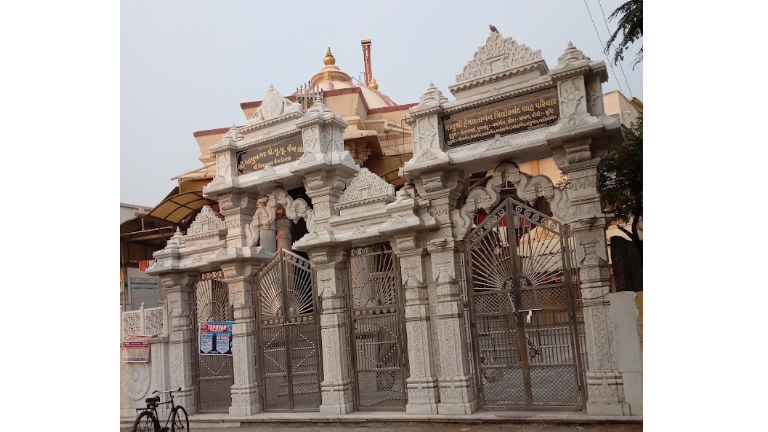
Vimalnath Shwetambar Mandir
A grand temple at the heart of Ahmedabad — its carved spires and inner sanctum a meditation upon his immaculate presence.
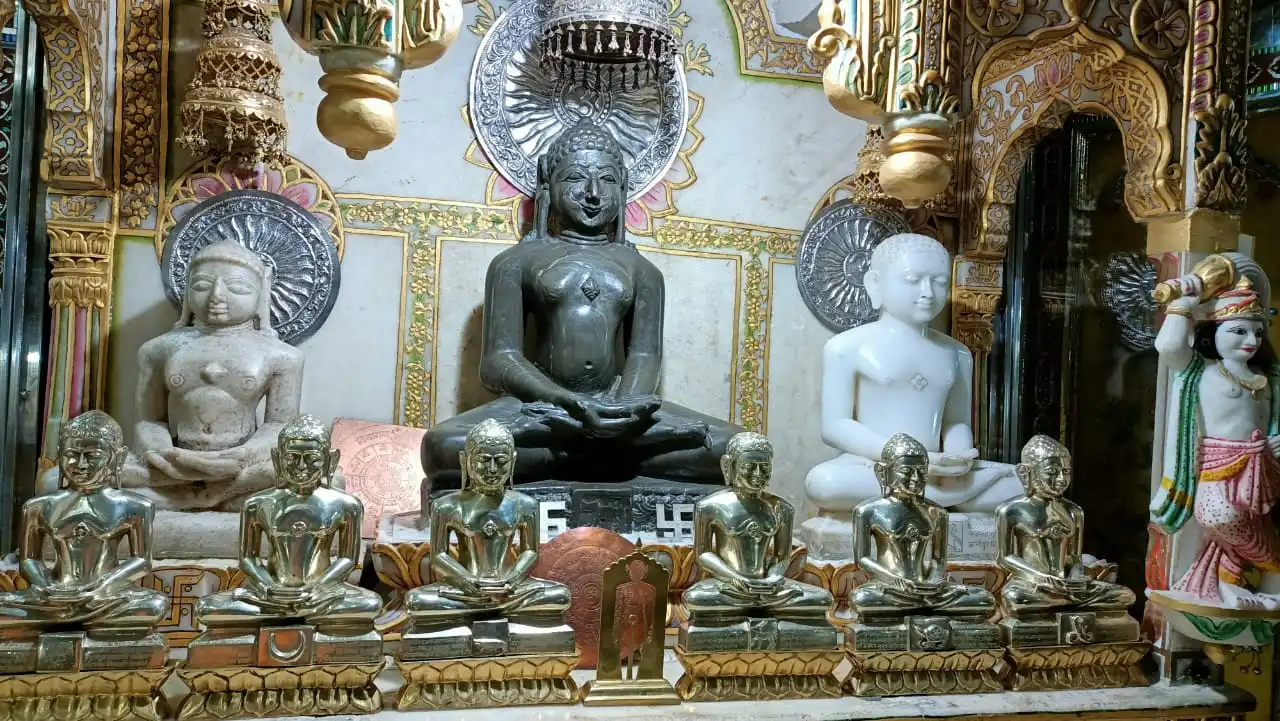
Across temples, manuscripts and pilgrim routes, the presence of the Thirteenth Tirthankara has been preserved with extraordinary care for more than two thousand years.
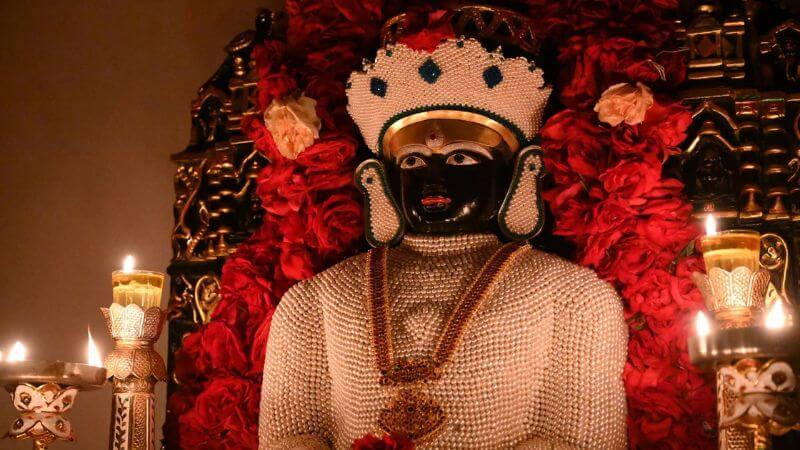
Kampilya — known to scripture as Kampilyapur — is hallowed in Jain memory as the birthplace of Vimalanatha Bhagwan. Pilgrims, scholars, and ascetics have traced their footsteps to this ancient city for centuries, drawn by its quiet gravity.
Long before any modern map outlined its boundaries, Kampilya was a thriving capital of the Ikshvaku-descended Panchala kingdom — a place of learned debate, royal ceremony, and refined culture. It was here, beneath these older skies, that the soul of the Thirteenth Tirthankara took its earthly form, and here that the first generations of devotees turned to meditate upon his memory.
Today, Kampilyaji remains an important Jain tirtha — a destination not only of physical journey, but of inward pilgrimage. To stand at Kampilya is to stand at the place where the immaculate soul first entered the world we know.
A grand temple at the heart of Ahmedabad — its carved spires and inner sanctum a meditation upon his immaculate presence.
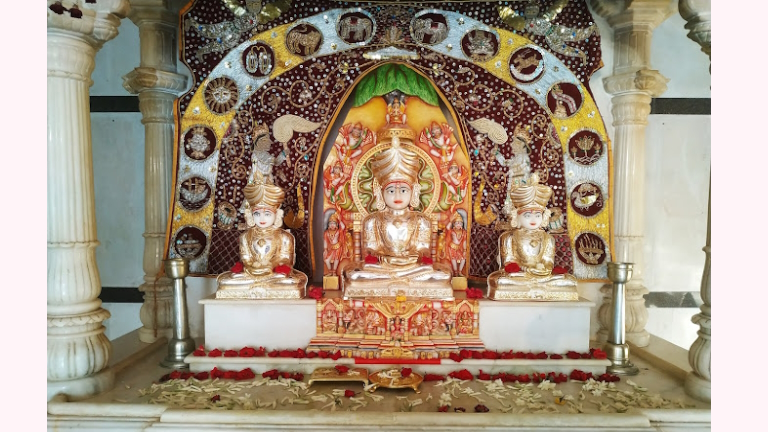
An exquisite shrine where pilgrims gather in serene devotion, the air rich with the soft fragrance of camphor and old incense.
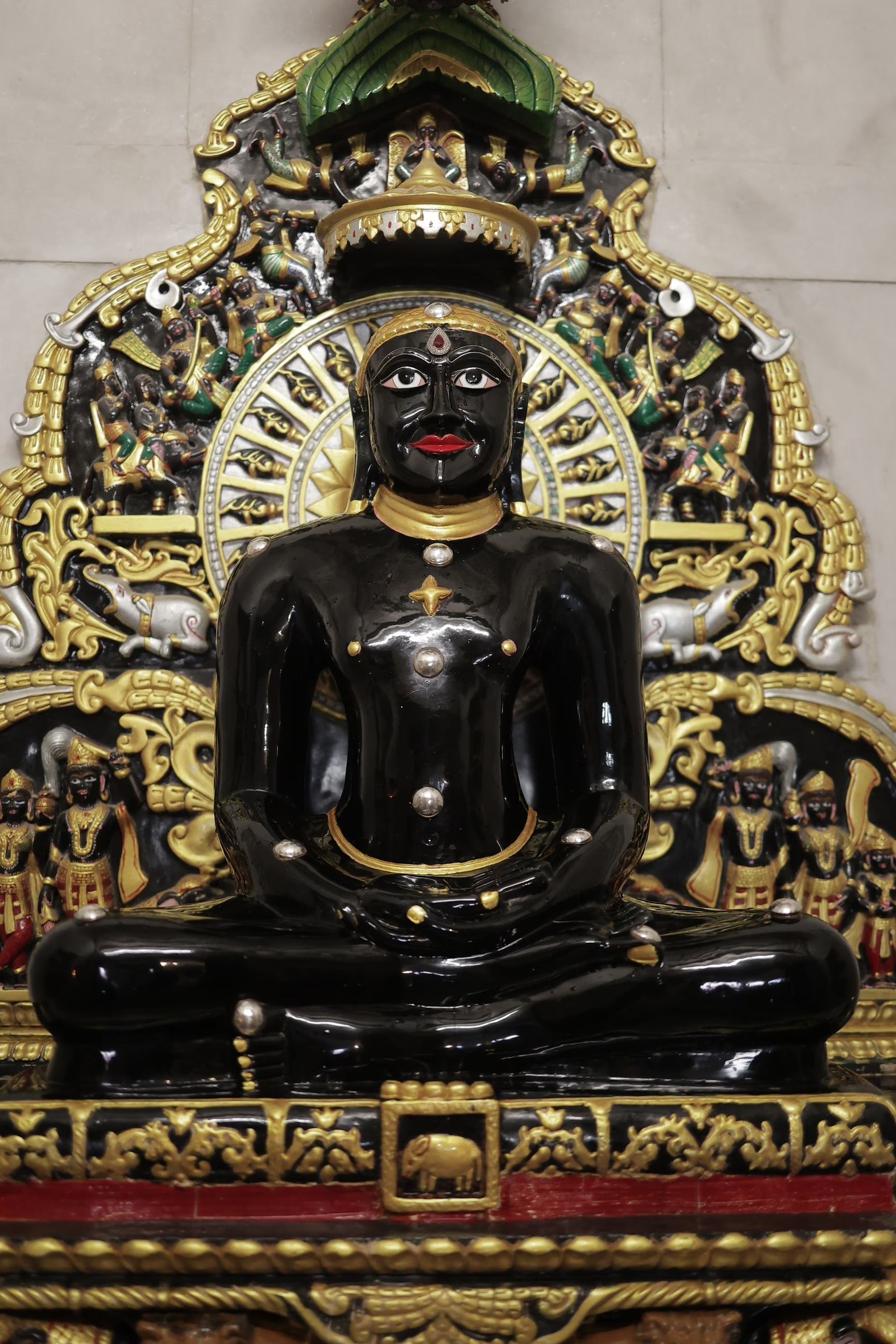
Steeped in centuries of devotion, this temple harbours one of the elder pratimas — keeping a 2200-year-old vigil of grace.
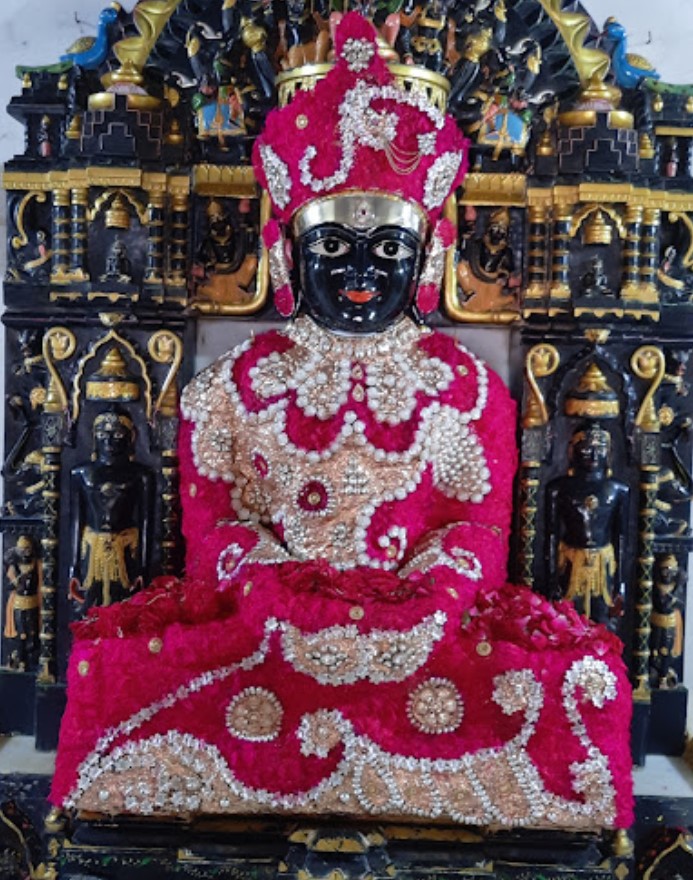
Set within a quiet quarter of Bhavnagar — a place where local devotees gather morning by morning, lighting lamps that seem never to dim.

Across both Shwetambara and Digambara traditions, ancient agamas, kalpasutras, and devotional texts hold accounts of Vimalanatha Bhagwan’s sacred life. Generations of monks and scribes have carefully preserved his teachings on palm leaves and bound paper.
Devotional practice has flourished alongside scripture — chalisas, stotras and bhajans recited at dawn, the gentle ritual of ablutions before his image, the offering of flowers, rice, and lamps. Each act is a quiet thread woven through the long fabric of Jain devotion.
Through these living traditions — repeated daily for over two millennia — the immaculate light of the Thirteenth Tirthankara is carried gently into the present.
Idols, paintings, manuscripts and architectural wonders — gathered into a single contemplative space.